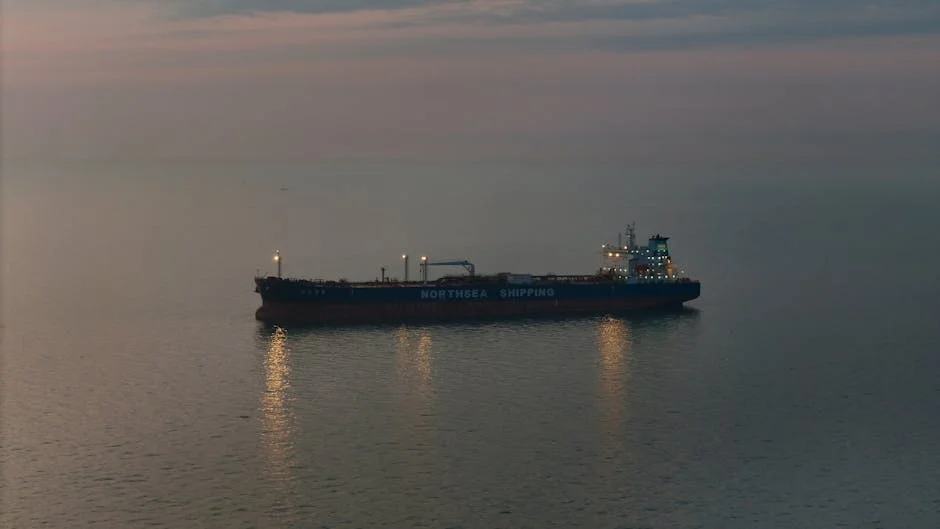
Geopolitics Daily Brief — May 29, 2026
Five stories at 08:00 UTC: US-Iran tentative 60-day ceasefire extension awaits Trump sign-off as Hormuz crossings remain down 88% and Brent eases to $91.57; Israel strikes Beirut suburbs and Tyre (14+ dead) hours before Lebanon-Israel Washington talks; Putin signals major Ukraine escalation as Russian drone crashes into Romanian apartment block; Shangri-La Dialogue opens in Singapore with Reuters revealing China's vast nuclear launch-pad build-up in Xinjiang; Nikkei and Kospi hit all-time records on Iran deal hopes.

Five stories as of 08:00 UTC — US-Iran ceasefire extension pending Trump sign-off; Israel strikes Beirut before Lebanon talks in Washington; Putin readies major Ukraine escalation as drone hits Romania; Shangri-La Dialogue opens with China's military rise in focus; Asian markets hit records on Hormuz de-escalation hopes.
1. US-Iran Tentative Deal: 60-Day Ceasefire Extension and Nuclear Talks, Pending Trump
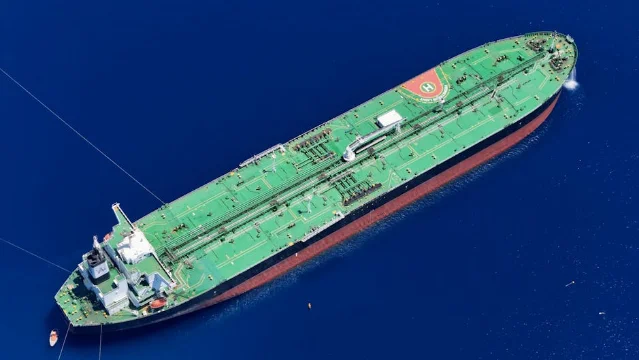
US and Iranian negotiators reached a tentative agreement to extend the three-month-old ceasefire by 60 days and open a new round of talks on Iran's nuclear programme, a US official told AP on May 28. The deal awaits President Trump's approval; Vice President JD Vance confirmed its existence but said it remained unclear whether Trump would sign. Iran had not publicly confirmed the agreement by Friday morning UTC. Core terms would require Iran to stop charging transit fees and clear mines from the Strait of Hormuz within 30 days; the US would gradually lift its naval blockade on Iranian ports and ease some sanctions to permit more oil exports. Kuwait intercepted an Iranian missile less than a day before the deal was announced — an incident US Central Command termed a serious ceasefire violation — but Vance said "ceasefires are always messy."
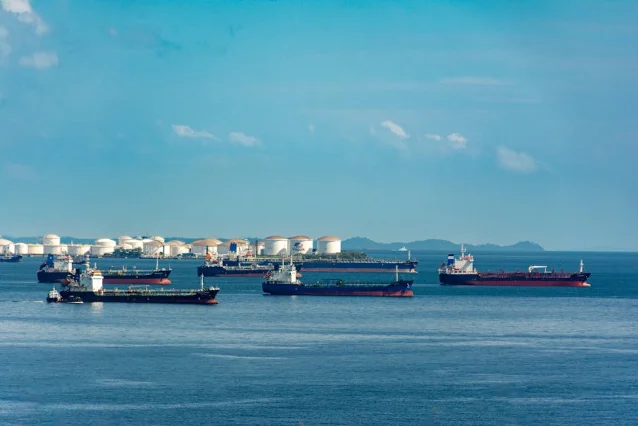
Market and supply-chain impact. Hormuz daily vessel crossings collapsed 88% after the first US-Israeli strikes on Iran on February 28, 1 shrinking the corridor carrying roughly one-fifth of global oil and LNG. Brent dipped 1.2% to $91.57 by Friday morning on deal expectations, according to AP — still more than $20 above pre-war levels. 2 Treasury Secretary Scott Bessent said oil prices would fall "very quickly" if the accord is finalised. Shipping risk premiums on Gulf voyages remain elevated; analysts warn that even a confirmed deal will see oil and LNG supply recover gradually, as shipowners will initially hesitate to re-enter the Persian Gulf. Any permanent reopening would ease spot LNG rates and Asian import costs materially; Japanese buyers in particular face supply-chain pressure given Tokyo's dependence on Gulf LNG.
2. Israel Strikes Beirut Suburbs and Tyre Before Lebanon-Israel Talks in Washington
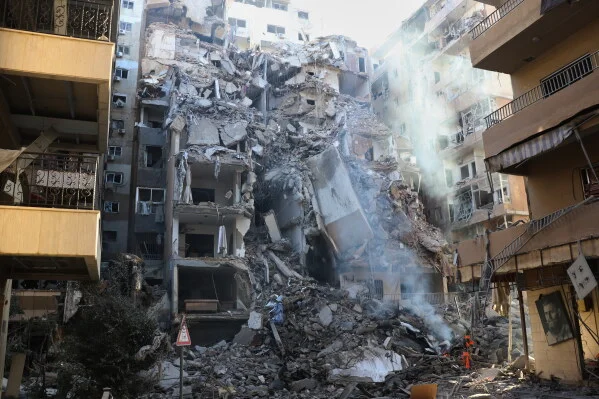
Israeli aircraft struck the Choueifat suburb south of Beirut airport on Thursday — the first strike near the capital since May 6 — followed by overnight attacks on Tyre (a UNESCO World Heritage site) and Sidon that killed at least 14, including five women and children and a Lebanese soldier. Dozens more were wounded, and drone strikes hit displaced-family convoys near Adloun. The strikes came hours before Lebanese and Israeli military officials were due to hold the first US-brokered security talks in Washington on Friday, 3 a session Hezbollah's parliamentary bloc immediately condemned, demanding Beirut withdraw. Lebanese PM Nawaf Salam denounced the attacks as "collective punishment" and called for a full Israeli withdrawal. Israel says it is targeting Hezbollah military assets and pressing for disarmament as part of any settlement.
Market and supply-chain impact. Continued Israeli operations in Lebanon sustain risk premiums on Eastern Mediterranean shipping lanes and keep reconstruction materials demand suppressed across the Levant. Hezbollah's use of fibre-optic drone swarms against Israeli forces signals a qualitative shift in non-state actor capabilities that defence-sector procurement planners are tracking closely — demand for counter-drone systems is accelerating in NATO and Gulf states. A breakdown in the Washington talks would likely re-escalate the Lebanon theatre and complicate Iran negotiations, given Tehran's stated condition that any broader ceasefire must include a halt to Israeli operations against Hezbollah. 3
3. Putin Signals Major Escalation; Russian Drone Crashes Into Romanian Apartment Block
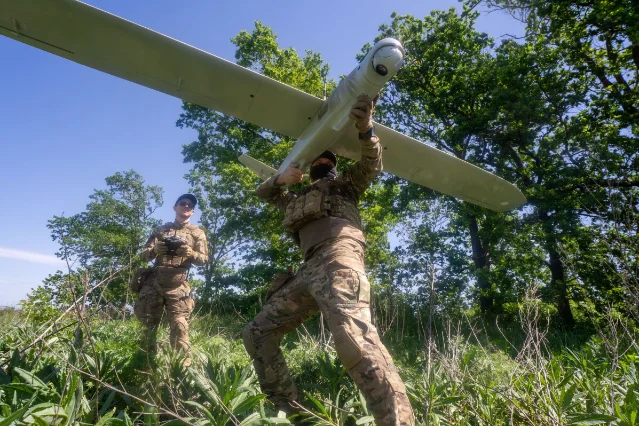
With the front line largely frozen for months, Putin is preparing to change the narrative, according to an AP analysis published May 28. Russia has publicly threatened "continuous and systematic" missile strikes on Kyiv targeting drone factories and "decision centres," and deployed the new Oreshnik hypersonic missile in a May 22 barrage that killed two. Russian nuclear forces conducted large-scale exercises earlier this month, and the Russian Foreign Intelligence Service warned Baltic states that NATO membership would not protect them from retaliation if Ukraine struck Russian territory from their soil. Separately, a Russian drone targeting Ukraine crashed into an apartment building in Galați, Romania, on Friday — injuring two residents and triggering an F-16 scramble. 4 NATO and the EU condemned the incident: EU Commission President von der Leyen called it "yet another red line crossed" and said a 21st sanctions package targeting Russia was being drafted. Zelenskyy is pressing Trump to unblock Patriot missile deliveries delayed by the Iran war's drain on US munitions stockpiles. 5
Market and supply-chain impact. Russia's nuclear posturing and the Galați drone strike rattled European bond and energy markets; EU natural gas futures edged higher on concern over infrastructure vulnerability. A new Patriot transfer to Ukraine — if approved — would further strain US missile production lines already stressed by the Iran campaign, benefiting Raytheon's order book but delaying deliveries. Ukraine's long-range strikes on Russian oil facilities continue to keep Urals crude below Brent; European refiners have largely completed substitution, but any escalation toward Black Sea shipping lanes could disrupt Romanian and Bulgarian grain and oil exports. 4
4. Shangri-La Dialogue Opens With China's Nuclear Build-Up and US Credibility in Focus

Asia's premier defence forum opened in Singapore on May 28, with China's rapid military build-up and doubts about US commitments to the Indo-Pacific topping the agenda. China sent a lower-level delegation for the second consecutive year, with Defence Minister Dong Jun again absent. 6 The optics were sharpened by a Reuters exclusive published Friday morning: satellite images show China constructing a sprawling network of over 80 launch pads, three octagonal fortified compounds, and command-and-control infrastructure spanning thousands of square kilometres of Xinjiang desert near its Hami ICBM silo field. 7 Analysts assess the build as ensuring a survivable second-strike capability for China's approximately 100 deployed ICBMs. The Pentagon has reported China plans 1,000 warheads by 2030. US Secretary of Defense Pete Hegseth will speak Saturday on the Trump administration's Indo-Pacific strategy; his address follows Trump's recent Beijing summit in which Trump called Xi Jinping a "great leader" and described a $14 bn Taiwan arms package as a useful "bargaining chip" with China, generating regional concern about US strategic ambiguity on Taiwan. 6 Canada also announced it will buy European SAAB surveillance aircraft rather than two American alternatives, a pointed signal of allied diversification away from US hardware.
Market and supply-chain impact. China's expanding nuclear infrastructure and Trump's equivocal Taiwan comments extend the risk discount applied to TSMC-dominated semiconductor supply chains. Investors in South Korean and Taiwanese tech stocks are pricing in slightly higher tail-risk; Samsung's 5.8% gain on Friday was driven primarily by the Iran de-escalation, masking underlying Taiwan Strait anxiety. Defence procurement diversification — Japan, the Philippines, and Canada each signalling moves toward non-US or multi-sourced platforms — represents a structural shift in the defence-industrial base that favours European and domestic-supply alternatives. 7
5. Asian Equities Hit Records on Iran Deal Optimism; Oil Retreats but Stays Elevated
Asian equity markets surged on Friday as news of the tentative US-Iran ceasefire extension circulated. Japan's Nikkei 225 rose 2.5% to a record 66,329.50, helped by softer-than-expected Tokyo CPI data. South Korea's Kospi jumped 3.6% to a record 8,476.15, with Samsung Electronics leading at +5.8% on AI-sector enthusiasm. Hong Kong's Hang Seng added 0.9% to 25,222.38; Taiwan's Taiex rose 2.5%. Shanghai bucked the trend, slipping 0.9% to 4,063.56 amid domestic growth concerns. On Wall Street, the S&P 500 set its own record high Thursday at 7,563.63 (+0.6%). 2 Brent crude eased 1.2% to $91.57, West Texas Intermediate fell 1.5% to $87.56 — more than $20 above pre-conflict levels. A separate AP report showed US jobless claims rose modestly to 215,000 but layoffs remain contained despite Iran-war economic uncertainty.
Market and supply-chain impact. The divergence between record equity markets and elevated oil prices reflects a split market view: equities are pricing in deal success while energy desks remain sceptical about the timeline for supply normalisation. Shipping insurers continue to charge war-risk surcharges on Persian Gulf voyages; Japanese and South Korean LNG buyers facing spot-contract rollovers in June are watching closely. If Hormuz reopens and Iranian oil re-enters markets, Brent could retreat toward the low $80s, providing meaningful relief to energy-importing Asian economies and lowering fuel surcharges on manufacturing supply chains across Southeast Asia. 1 2
Sources: Reuters, AP.
이 콘텐츠를 둘러싼 관점이나 맥락을 계속 보강해 보세요.